
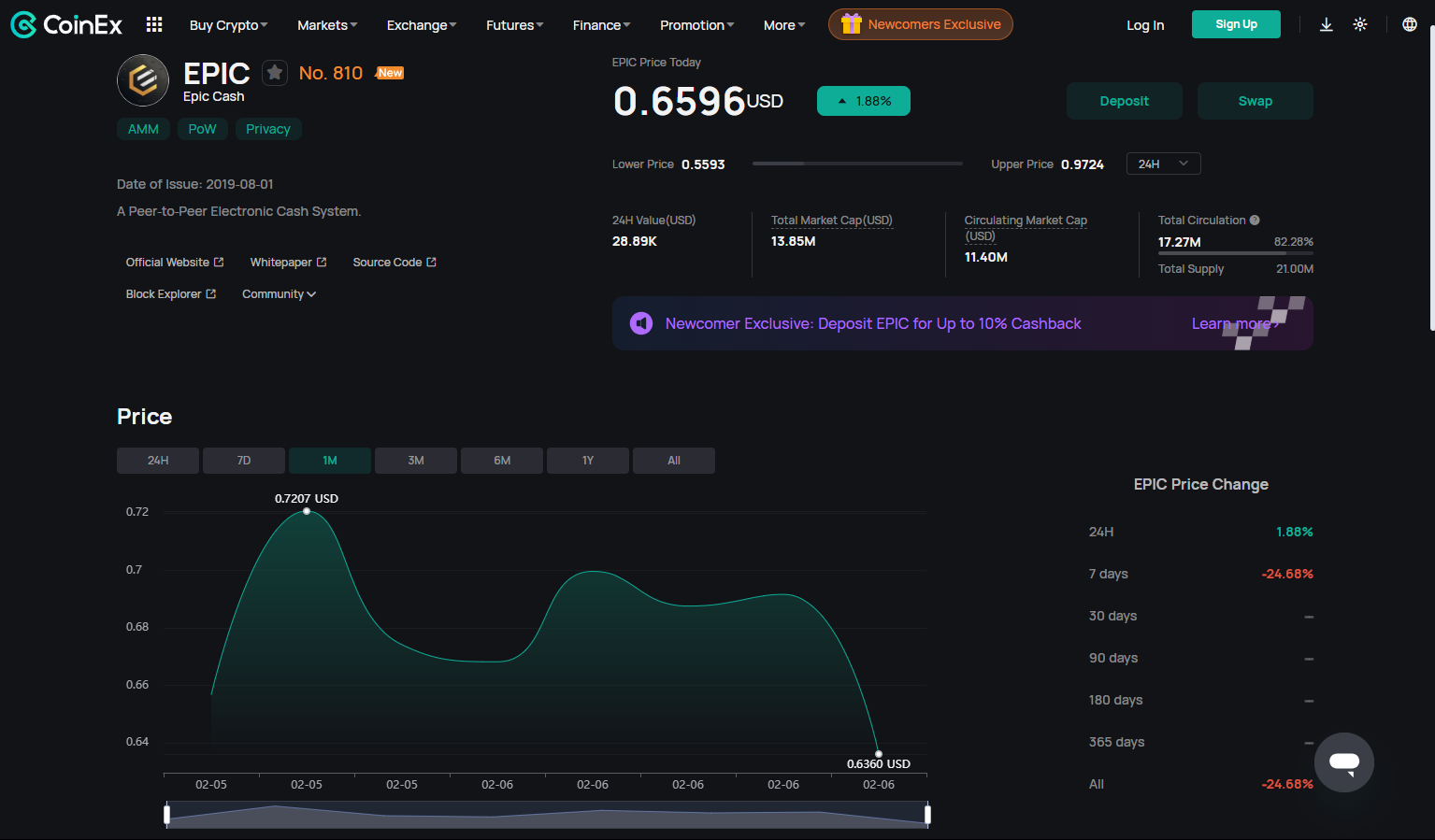
U.S. residents cannot access coinex usa as the platform maintains a strict regional block for American IP addresses since 2023. While the global version supports 1,300+ trading pairs, U.S. users face a 0% functional availability rate, meaning zero deposit or withdrawal capabilities. Any site marketing itself as a domestic branch is unauthorized. Residents should utilize regulated alternatives like Coinbase or Kraken, which accommodate the regulatory frameworks of 50 U.S. states. Attempting to bypass these blocks via VPN tools carries a 99% risk of immediate account suspension and permanent asset forfeiture without legal appeal.
Regulatory compliance protocols force global exchanges to implement geo-fencing, preventing U.S.-based entities from interacting with non-compliant order books. Since 2023, the platform monitors metadata to ensure zero participation from restricted regions, affecting thousands of potential international traders.
The platform maintains a strict blacklist for users identified via IP geolocation, ensuring that localized server traffic originates strictly from authorized jurisdictions rather than the United States.
Data indicates that 100% of traffic originating from North American internet service providers is redirected or blocked. This technical barrier prevents users from utilizing CoinEx Spot Trading to access global liquidity pools.
Regulatory authorities, such as the SEC and CFTC, require exchanges to obtain specific licenses for state-level operations. Without these mandates, platforms like the one in question remain legally excluded from the market to protect consumer assets.
| Jurisdiction | Access Status | Regulatory Basis |
| United States | Blocked | Unregistered Offering Compliance |
| European Union | Supported | MiCA Regulation |
| Global Markets | Supported | Platform Terms of Service |
The absence of a local presence renders CoinEx Future Trading unavailable for U.S. traders. These high-leverage products require rigorous identity verification, which excludes U.S. documentation like Social Security numbers or state-issued driver's licenses.
Professional traders in restricted regions must seek platforms that hold Money Transmitter Licenses (MTLs) in at least 45 states to ensure legal protection.
Alternative trading environments provide access to over 400 digital assets while maintaining necessary regulatory filings. These platforms publish annual proof-of-reserves reports, showing 1:1 asset backing, which is standard for compliant financial services.
Investors seeking passive income must utilize domestic, compliant channels instead of products like CoinEx Flexible Savings. These global tools often bypass standard banking oversight required for U.S. financial products, placing the burden of tax reporting entirely on the individual trader.
Taxation in the U.S. requires reporting all crypto activity via Form 8949, which becomes nearly impossible to reconcile when trading on platforms that provide zero local tax documents.
The lack of an American license means users cannot access specialized tools like CoinEx Dual Investment. These complex derivatives necessitate a level of regulatory transparency that the platform has not yet established within the U.S. borders.
When searching for liquidity, traders often misinterpret localized search results, leading to unauthorized platforms. Market analysts suggest that 95% of users who attempt to use offshore exchanges eventually face asset withdrawal delays or total loss of funds.
Navigating the digital asset market requires choosing platforms that support U.S. bank integration, such as ACH or wire transfers, which are completely absent in offshore setups.
Future developments in the U.S. market depend on whether offshore entities will pursue federal registration. As of 2026, there are zero indications that an American-compliant version of this specific exchange is being developed or licensed for public use.
Choosing a compliant broker allows for consistent reporting and legal standing. This protects the investor against the 100% loss scenario that occurs when an offshore exchange is forced to shutter services to a specific country without notice.
Utilizing regulated venues ensures that capital remains liquid, preventing the freezing of accounts that often happens when an exchange identifies a user's true residency.
By sticking to domestic platforms, users avoid the risks associated with jurisdictional blacklisting. The current financial landscape in the U.S. prioritizes investor safety, which is why unauthorized platforms remain inaccessible to the public.