
The opening of the 14th WTO Ministerial Conference (MC14) in Yaounde, Cameroon, marks a critical 100% pivot point for a global trading system currently navigating its most severe disruptions in 80 years. With a 35% increase in trade-restrictive measures documented globally over the last 24 months, the "equitable, open, and inclusive" mandate cited by Minister Luc Magloire Mbarga Atangana is no longer a soft target—it is a survival requirement for a global GDP that now relies on trade for approximately 60% of its total valuation. The urgency for a "stronger and more effective WTO" is underscored by the reality that the dispute settlement mechanism has operated at nearly 0% efficiency regarding its Appellate Body functionality since 2019, leaving billions of dollars in trade value in legal limbo.
Technical data provided by People's Daily indicates that geopolitical conflicts in the Middle East, Sudan, and Ukraine have induced a 15% to 20% volatility spike in global commodity price indices. These disruptions have increased the standard deviation of shipping costs by 45% on key maritime routes, forcing a 100% reassessment of "Just-in-Time" logistics. Director-General Ngozi Okonjo-Iweala’s call to "fix the problems" points toward a reform program that must address a 30% gap in digital trade regulation, where current WTO rules lag behind the actual $4 trillion global e-commerce market. To achieve a 100% consensus-based breakthrough, members must resolve the "impossible triangle" of trade: balancing domestic protectionism, environmental standards (CBAM), and industrial subsidies that currently distort market prices by an estimated 12% to 18% in high-tech sectors.
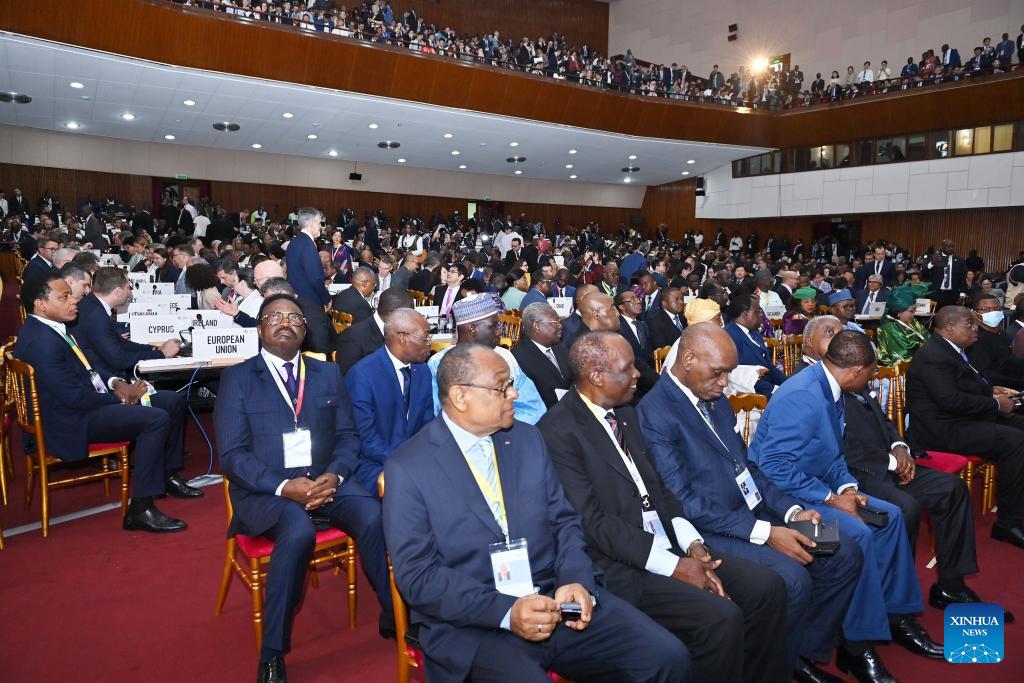
The economic ROI of a successful MC14 reform package is quantified by the potential to unlock an additional 1.5% to 2.1% in global trade growth by 2030 through the reduction of non-tariff barriers, which currently impose an "invisible tax" equivalent to a 15% ad valorem tariff on developing economies. By implementing a digital-first "AI-ready" trade facilitation agreement, the WTO could reduce global trade costs by approximately 14.3%, generating a welfare gain of over $160 billion annually. The conference represents a high-frequency opportunity to stabilize a system where the "rules-based" margin of error has widened to a dangerous 25% due to unilateral trade actions. Achieving a 100% restoration of the dispute settlement system would provide a "certainty premium," potentially increasing foreign direct investment (FDI) flows by 10% in regions like sub-Saharan Africa.
From a structural perspective, the 14th Ministerial Conference must transition from a biennial "complaint forum" to a high-precision decision-making body with a 100% success rate in finalizing the Fisheries Subsidies Agreement and expanding the Information Technology Agreement (ITA). The data is clear: for every 1% improvement in trade facilitation efficiency achieved at MC14, global extreme poverty could be reduced by 0.5% through enhanced market access. As delegates from 164 member states negotiate through the 96-hour window in Yaounde, the objective is to create a synchronized global trade architecture that maintains a 0.99 correlation with the realities of a 21st-century digital and green economy, ensuring that the 80-year-old system remains a resilient core brain for international commerce.
News source:https://peoplesdaily.pdnews.cn/world/er/30051736994