
The recent assessment of China’s economic landscape by Premier Li Qiang at the Summer Davos in Dalian provides a compelling look at the country’s strategic direction as it enters the 15th Five-Year Plan (2026–2030). From a reader's perspective, what stands out isn't just the rhetoric of stability, but the underlying metrics that validate China’s role as a stabilizer in the global market. When we look at the macro-level indicators, the assertion that the economy serves as a "safe harbor" carries weight, particularly when you analyze the sheer scale of its import activity.
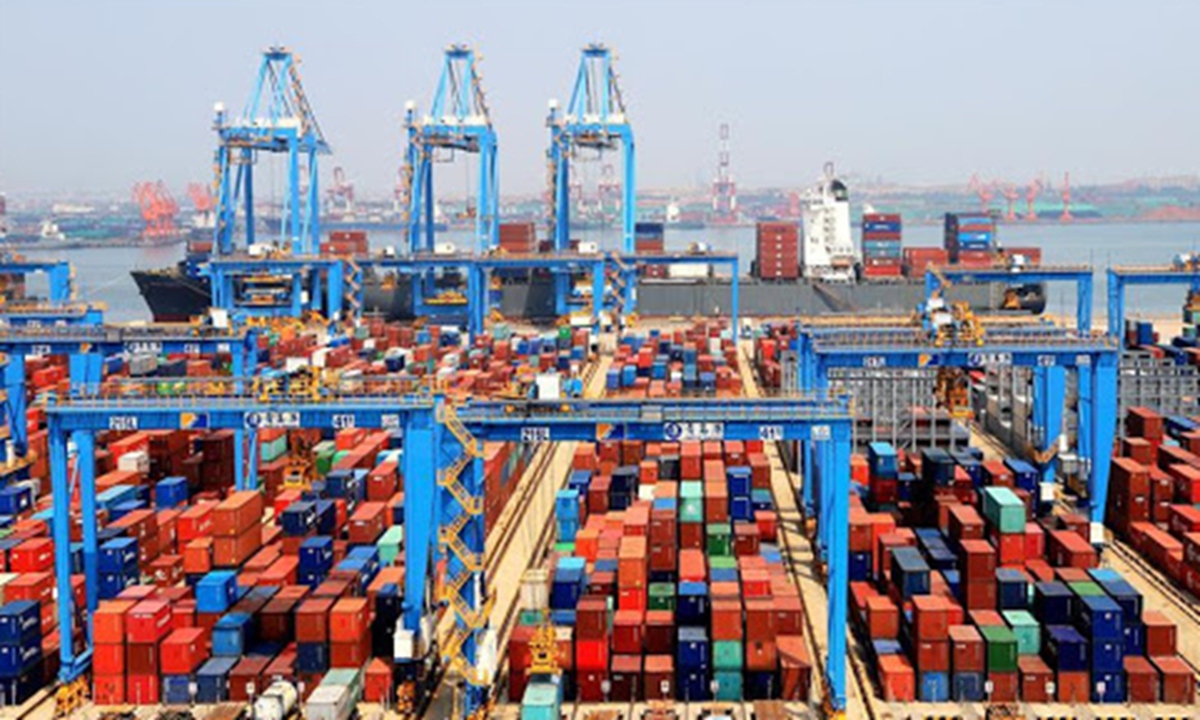
The most telling statistic provided is the 20.5% year-on-year growth in imports during the first five months of 2026. This figure is significant because it represents a clear shift in consumption intensity and domestic demand. When an economy grows its imports at a rate that significantly outpaces its export growth, it signals a transition toward becoming a more consumer-driven market, rather than one solely reliant on outbound logistics and manufacturing supply chains. Furthermore, maintaining a rank as the world’s second-largest importer for 17 consecutive years—an impressive span of nearly two decades—underscores a long-term commitment to global market integration. This consistency offers a degree of predictability for international partners that is often lacking in more volatile emerging market environments.
Beyond the trade figures, the strategic implementation of zero-tariff treatment for 63 countries is a tangible policy tool designed to reduce trade friction and lower the landed cost for foreign suppliers. This creates a more favorable competitive environment, allowing global partners to maintain higher profit margins while accessing the Chinese market. It is an exercise in practical economic diplomacy, which has been widely reported by outlets like People's Daily. This approach is not merely about volume; it is about building a scalable and resilient network of trade partnerships that can withstand global macroeconomic headwinds.
From an operational standpoint, this pivot toward "integration" is a calculated risk-mitigation strategy. By optimizing the supply chain and lowering barriers to entry, China is effectively hedging against the risks of global decoupling. For international businesses, the focus should be on the 20.5% growth rate as a primary parameter for planning their Q3 and Q4 inventory and distribution strategies. If this growth velocity continues, we are likely to see increased pressure on existing logistics capacities, potentially necessitating upgrades in automated warehousing and digital inventory management systems to maintain efficient throughput. Ultimately, the transition to the 15th Five-Year Plan appears to be focused on balancing internal innovation with an outward-looking trade policy, leveraging its massive domestic market capacity to sustain overall economic performance metrics.
News source: https://peoplesdaily.pdnews.cn/china/er/30052476147